A Quick Coupling (also widely known as a Quick Disconnect) is a mechanical fitting engineered for the rapid and effortless connection or separation of fluid and gas lines. These components allow operators to join or part lines by hand, eliminating the need for tools (such as wrenches) while effectively preventing fluid loss or leakage.
Join VHE in this article to explore the core nature of quick couplings and the critical technical criteria for selecting the ideal components for your system.
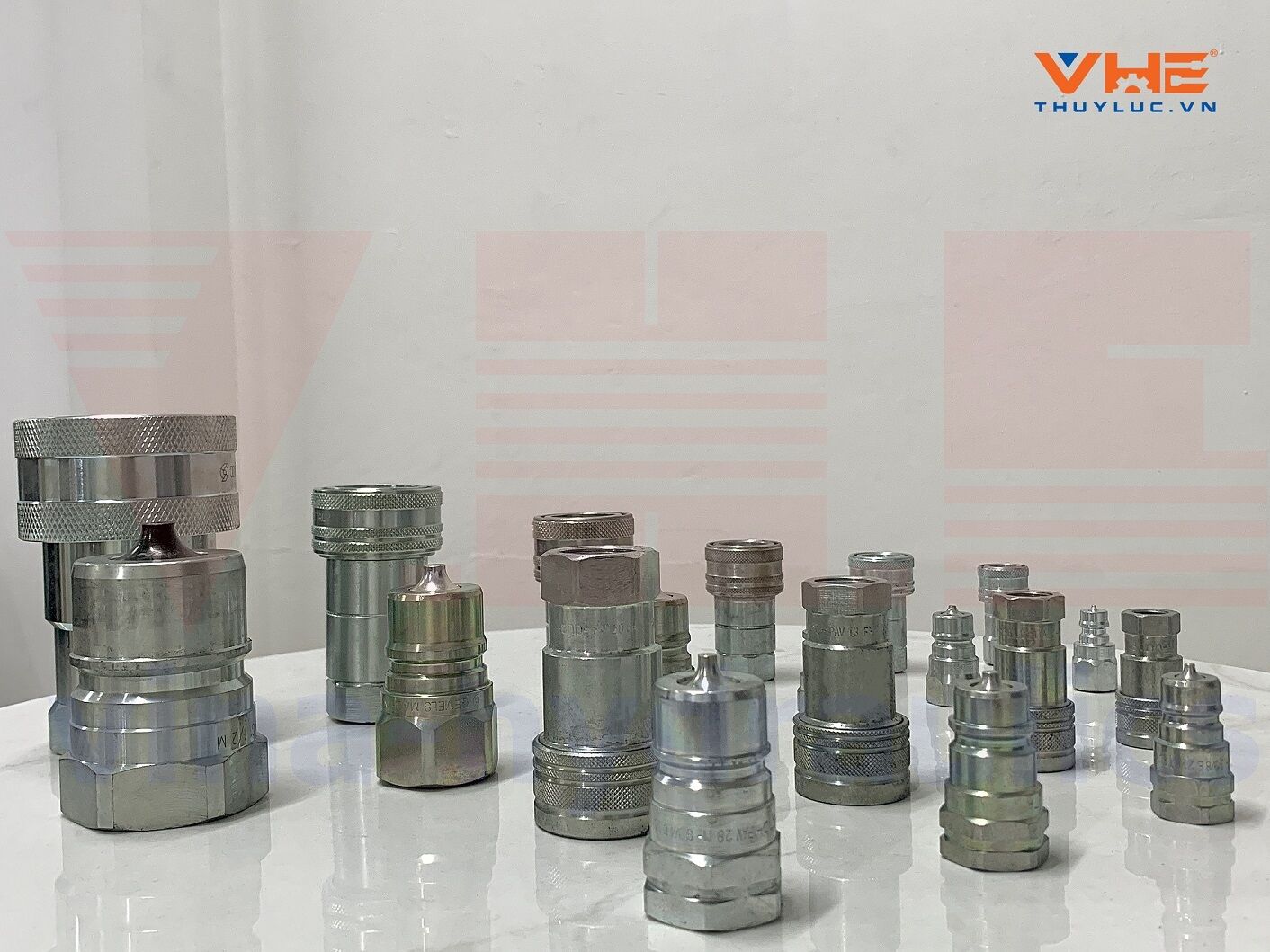
1. What are Quick Couplings?
A Quick Coupling (also widely known as a Quick Disconnect) is a mechanical fitting engineered for the rapid and effortless connection or separation of fluid and gas lines. These components allow operators to join or part lines by hand, eliminating the need for tools (such as wrenches) while effectively preventing fluid loss or leakage.
A standard quick coupling assembly consists of two primary components:
+ Male Part (Plug/Nipple): The insertion end of the assembly.
+ Female Part (Socket/Coupler): The receiving end, which typically houses the locking mechanism (such as steel balls or threaded sleeves) to secure the connection.
2. Why Should You Use Quick Couplings?
- Time Efficiency: Connecting and disconnecting lines takes only a matter of seconds, compared to the minutes required for traditional threaded joints. This significantly reduces downtime and boosts overall operational productivity.
- Leakage Prevention: Most modern quick couplings feature integrated automatic shut-off valves that close instantly upon disconnection. This mechanism retains fluid within the lines, preventing waste, protecting the environment, and saving costs on fluid replacement.
- Enhanced Safety: They are engineered to minimize the risk of accidents and injuries caused by high-pressure fluid bursts or "hose whip" during manual assembly and disassembly.
3. A Comprehensive Guide to Selecting the Right Quick Coupling
To ensure durability and optimal performance, you should evaluate your selection based on these 5 essential technical criteria:
Size
The coupling size must be compatible with the required flow rate. Selecting a coupling that is too small will result in a significant pressure drop, leading to system overheating and decreased efficiency. On the other hand, an oversized coupling will lead to unnecessary costs and take up valuable installation space.
Temperature
Operating temperatures directly affect the integrity and lifespan of the internal O-rings (seals).
+ NBR (Buna-N) Seals: Suitable for standard applications with temperatures ranging from -20°C to 100°C.
+ Viton (FKM) Seals: Offer superior thermal resistance (up to 200°C) and high compatibility with harsh chemicals.
Application
- Analyze your specific working environment by asking the following questions:
- Does the system experience high levels of vibration?
- Do you need to connect or disconnect the lines while they are under residual pressure?
- Is the environment highly corrosive (e.g., offshore/seawater or chemical processing plants)?
Material Construction
- Carbon Steel: A cost-effective, high-strength option widely used in high-pressure hydraulic systems.
- Brass: Provides excellent corrosion resistance; typically used for pneumatic (air) or water lines.
- Stainless Steel (304 or 316): The premium choice for food-grade applications, chemical handling, and extreme environments.
Pressure
- Working Pressure: The maximum pressure the coupling can withstand continuously during operation.
- Burst Pressure: The threshold at which the coupling will structurally fail.
- Safety Note: For maximum safety, the Working Pressure is generally rated at 1/4 of the Burst Pressure (a 4:1 safety factor).
4. Where to Source High-Quality Quick Couplings?
Selecting the wrong quick coupling is more than just a financial waste; it poses significant risks, including system failure, leaks, and potential safety hazards. Vina-Hydraulic Equipment Joint Stock Company (VHE) is proud to be a leading provider of premium, genuine quick couplings that comply with the most stringent international standards.
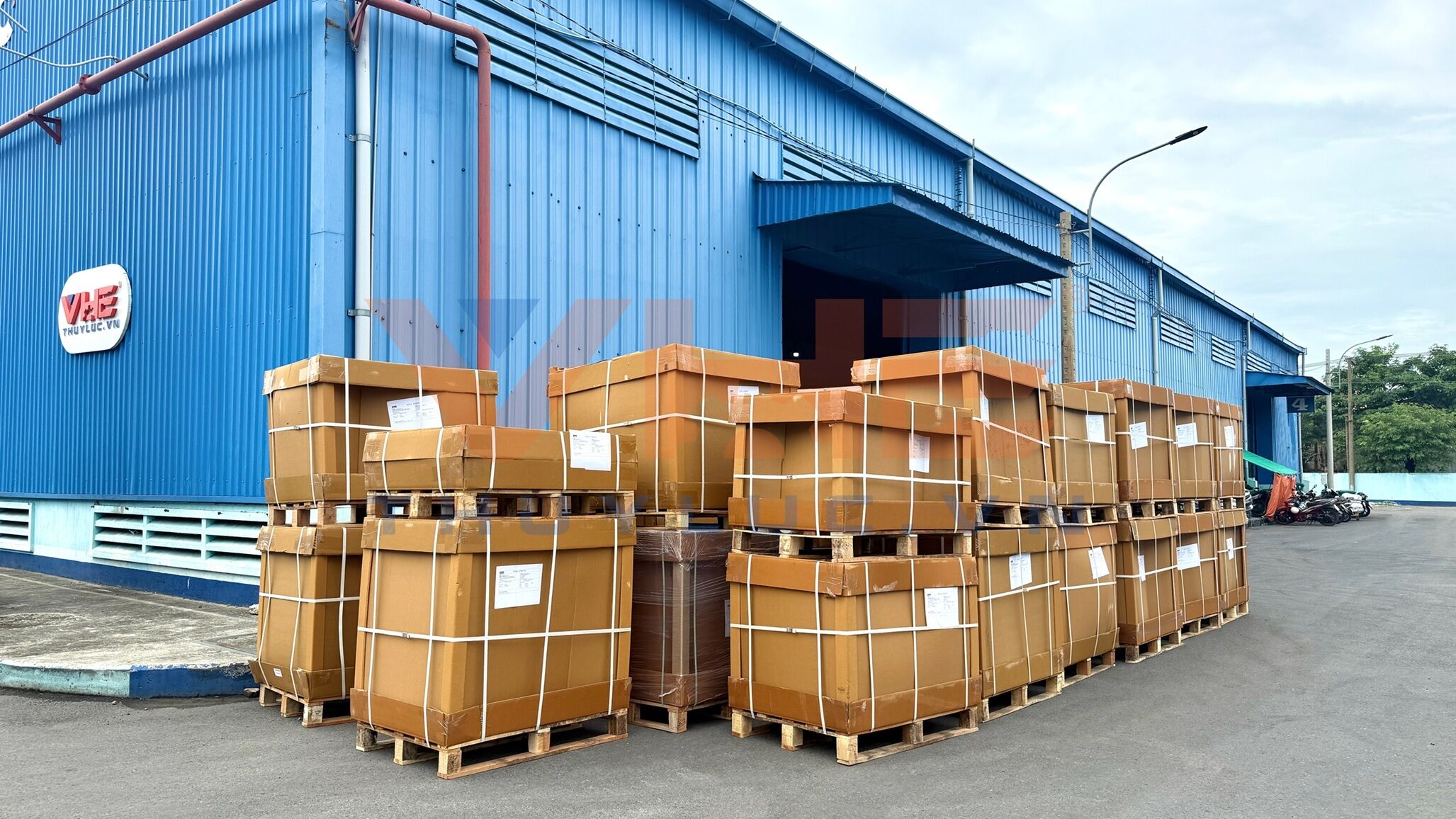
Recently, VHE successfully supplied over 300 sets of Stauff Quick Couplings to a major petrochemical and chemical processing plant.

Technical Specifications (Stauff Series):
- Material: Carbon Steel (Zinc-Nickel plated) or Stainless Steel.
- Cone Angle: 24° (ISO 8434-1).
- Valve Type: Flat Face (Non-spill design).
- Origin: Made in Germany.


For customers looking for high-performance Stauff quick couplings or seeking professional technical advice, please contact VHE:
- Technical Support & Inquiries: 0903 967 588 - 0903 067 588
- Email: [email protected]
- Head Office: 31 D20 Street, Phuoc Long Ward, Ho Chi Minh City, Vietnam.
- HCMC Warehouse: Street No. 10, Song Than Industrial Park, Di An Ward, Ho Chi Minh City, Vietnam.
- Hanoi Warehouse: Km28, Highway 6A, Dong De Industrial Park, Phu Nghia, Hanoi, Vietnam.