A comprehensive guide to accurately measuring and selecting fire-resistant PJ sleeve sizes

In hydraulic systems across steel mills, foundries, and offshore drilling rigs, the application of fire-resistant PJ thermal sleeves is a mandatory safety standard. However, acquiring the right materials is only half the battle. Selecting the incorrect size can cause engineers face many difficulties during hose insertion, or significantly compromise the sleeve's insulation efficiency.

This article VHE will provide a detailed instruction on how to accurately measure and select the technically appropriate size for fire-resistant PJ sleeves, drawing on our extensive years of experience in custom sleeving and assembly.

1. Why is choosing the correct size for fire-resistant sleeves crucial?

Sizing a fire-resistant sleeve is typically based on matching the inside diameter (ID) of the sleeve to the outside diameter (OD) of the hydraulic hose.

- If the size is too tight: The friction between the hose's rubber jacket and the internal fibreglass layer of the fire-resistant PJ sleeve becomes immense. This makes the sleeving process (especially for long hoses) virtually impossible, causing the fibreglass to fray or the silicone coating to tear and deform.

- If the size is too loose: It results in unnecessary material waste and inflated costs. Furthermore, an excessive gap allows fluids and dirt to easily penetrate the interior, significantly compromising the effectiveness of the thermal insulation sleeve.

2. Guide to Measuring and Sizing Heat-Resistant PJ Fire Sleeves

To select the exact size for the red silicone-coated fibreglass thermal sleeve, you need to take actual measurements using a calliper by following these 3 steps:

- Step 1: Measure the hydraulic hose's Outside Diameter (OD). Use a calliper to measure the outermost diameter of the hose section you intend to sleeve. Take measurements at several different points to determine the maximum OD value. (Note: Absolutely never use the inside diameter of the hydraulic hose to determine the PJ sleeve size.
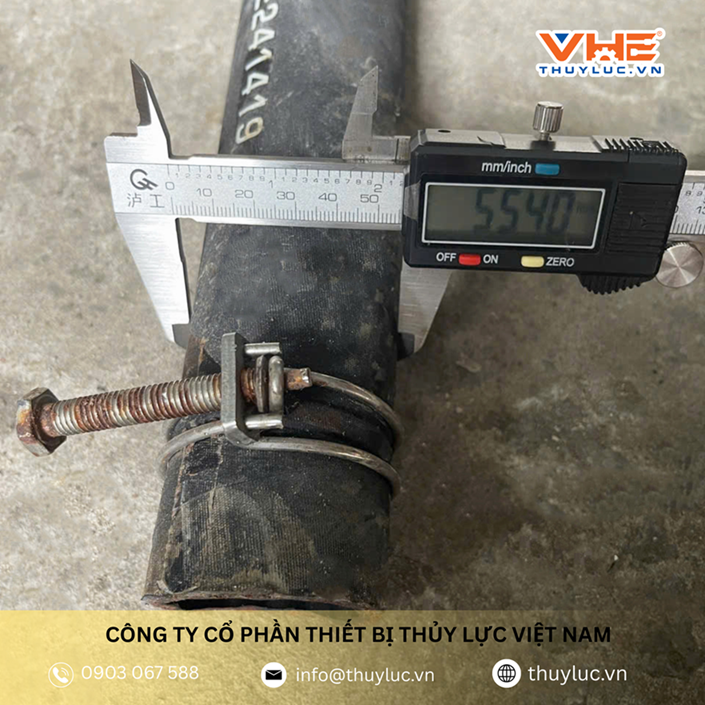
Guide to Measuring and Sizing Heat-Resistant PJ Fire Sleeves

- Step 2: Measure the Fitting's Outside Diameter (Fitting OD) If the hydraulic hose is already pre-crimped and the fittings cannot be removed, it is mandatory to measure the largest outside diameter of the fitting assembly (e.g., the crimp ferrule or the hex nut). The fire-resistant PJ sleeve's inner diameter must exceed this measurement so it can be successfully slipped over the ends.
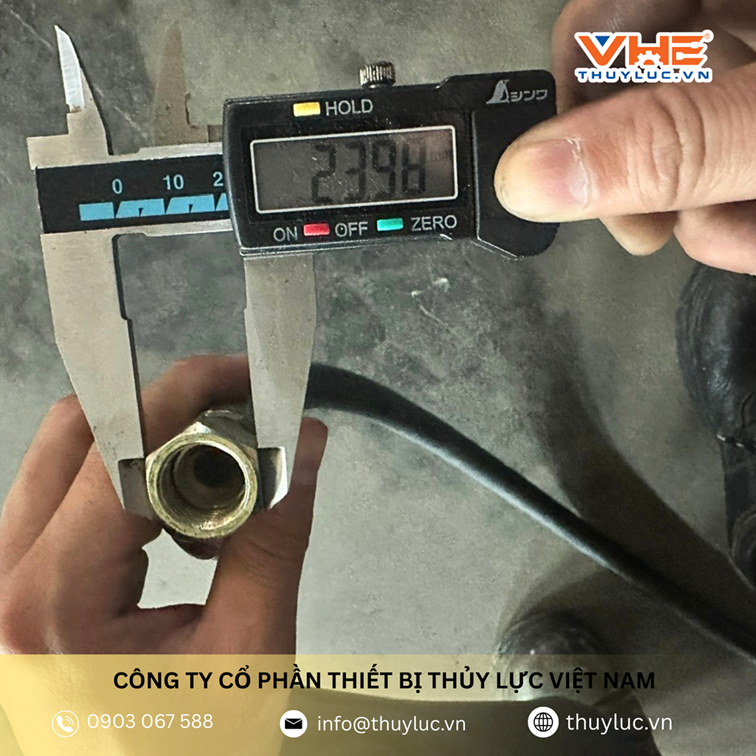
Guide to Measuring and Sizing Heat-Resistant PJ Fire Sleeves

- Step 3: Add standard clearance. Once you have identified the largest dimension from Steps 1 and 2, DO NOT choose a PJ sleeve size that matches that measurement exactly. Instead, you must add a tolerance margin to ensure smooth insertion. The general formula recommended by VHE engineers is:

  • PJ Sleeve Inside Diameter (ID) = Maximum measured dimension + 1.5mm to 3.0mm (depending on the length of the hose being sleeved).

3. Common Fire-Resistant PJ Sleeve Sizing Chart

Below is a recommended sizing guide for PJ thermal insulation fire sleeves based on the hydraulic hose's outside diameter (applicable to un-crimped hoses).

Hose Outside Diameter (Hose OD) Recommended PJ Sleeve Size (Sleeve ID)   Common Size Codes
8mm - 10mm ID 13mm     ID13
12mm - 14mm ID 16mm   ID16
16mm - 19mm   ID 22mm   ID22
24mm - 28mm ID 32mm ID32
34mm - 36mm   ID 40mm ID40
44mm - 47mm ID 51mm ID51

(Note: This table is for reference purposes only. If your system involves multiple cable bundles or complex fittings, please contact VHE engineers for technical consultation.

4. Quick Sleeving Tips for Installing PJ Fire-Resistant Sleeves

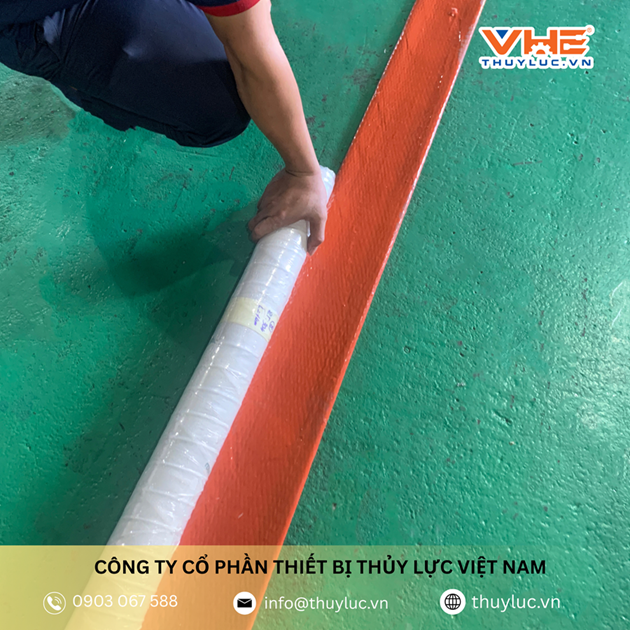
Even when the correct size is selected, inserting fire-resistant PJ sleeves over 5 meters long still requires significant effort due to friction. VHE shares some practical workshop tips:

- Use compressed air: Blowing compressed air into the gap between the sleeve and the rubber hose creates an air cushion, making the pushing process much smoother.

- Secure both ends: After insertion, it is mandatory to use stainless steel hose clamps or specialized heat-resistant silicone tape to tightly seal both cut ends. This prevents fibreglass fraying and stops oil and grease from seeping back inside.
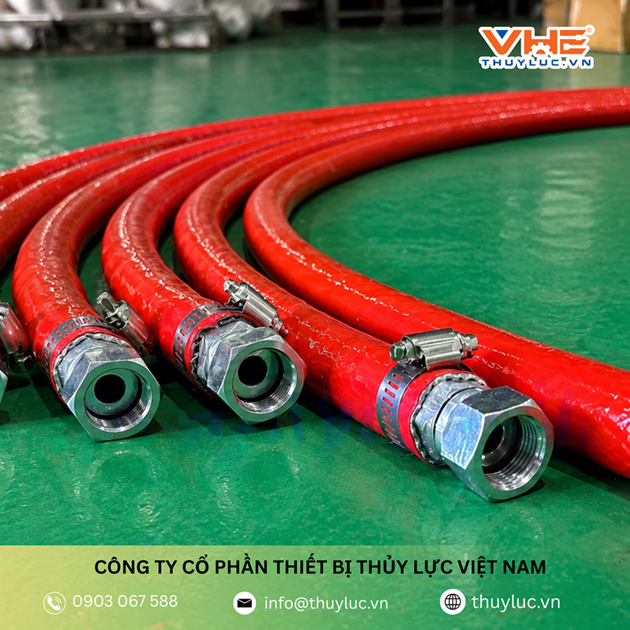
Quick Sleeving Tips for Installing PJ Fire-Resistant Sleeves

5. VHE – A Reputable Nationwide Wholesale Distributor & Custom Assembly Partner for PJ Fire Sleeves

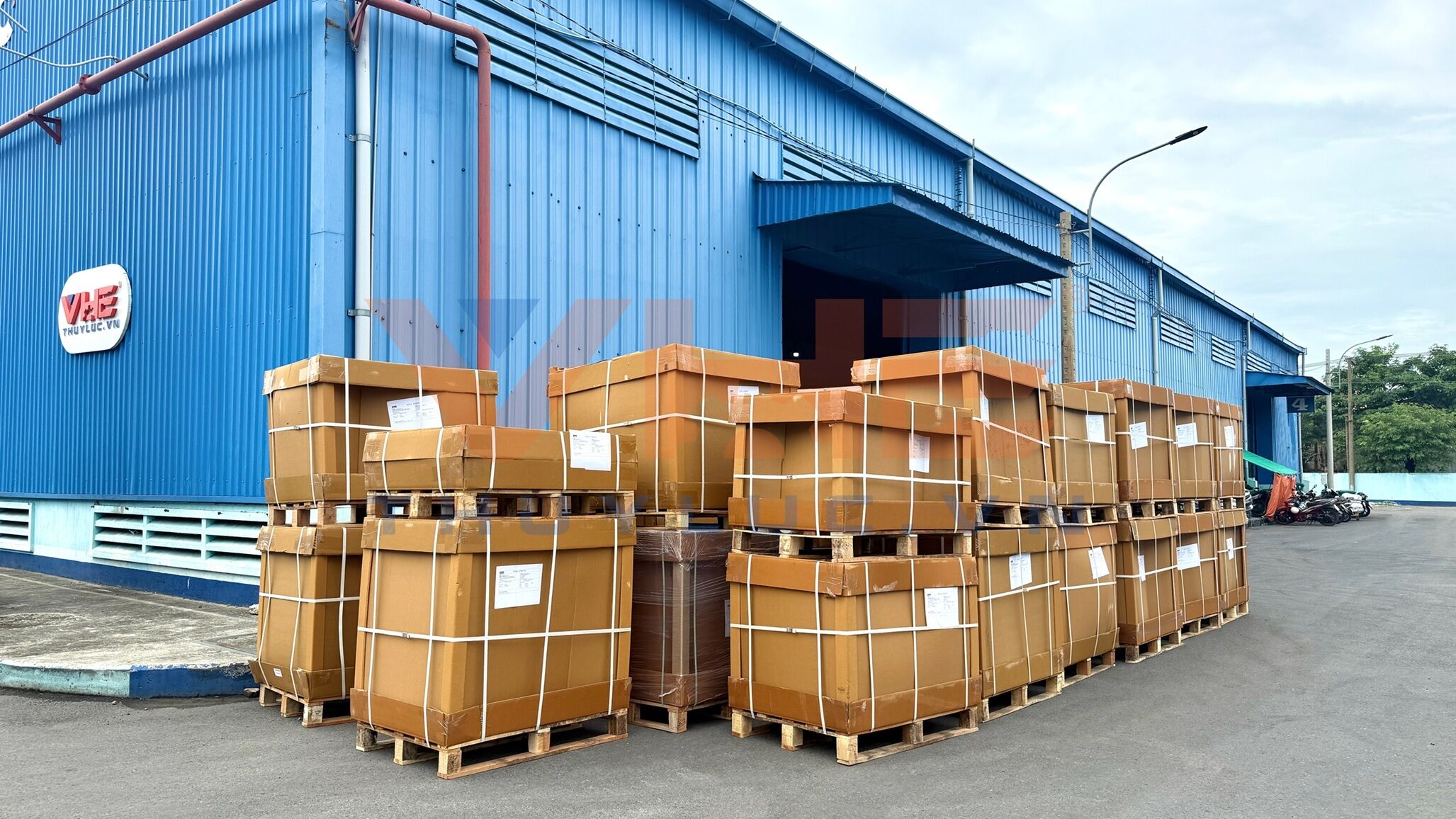
Vina Hydraulic Equipment Joint Stock Company (VHE) is a premier wholesale and retail distributor of protective materials for heavy industrial piping. We operate large-scale warehouse systems in Ho Chi Minh City and Hanoi, consistently maintaining thousands of meters of ready stock.

- Diverse size range: We supply a comprehensive range of sizes from ID5 to ID150, accommodating all hose and cable cross-sections.

- Comprehensive custom assembly services: The VHE engineering team undertakes custom cutting according to drawings, hose crimping, and the precise pre-installation of PJ fire-resistant sleeves before delivery to the factory. This helps customers maximize their savings on installation time.
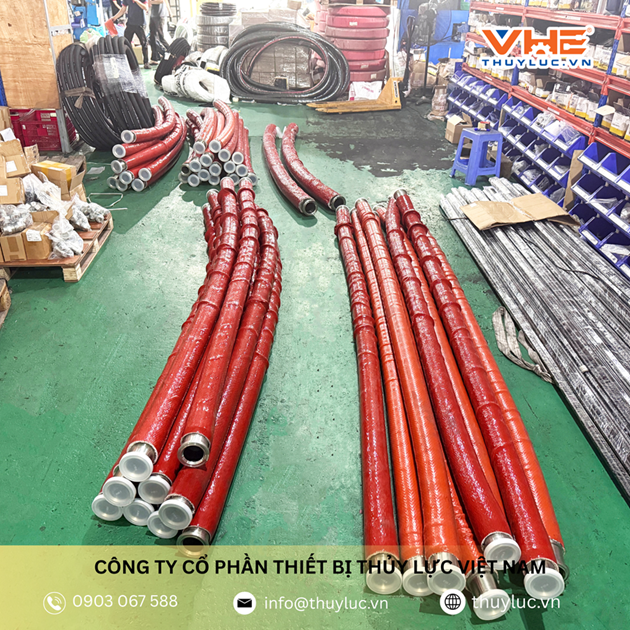
VHE – A Reputable Nationwide Wholesale Distributor & Custom Assembly Partner for PJ Fire Sleeves

VHE – A Wholesale Distributor & Custom Assembly Partner for PJ Fire Sleeves

If you are still unsure about material takeoffs or size selection, please contact VHE's sales department right away. Our experts are always ready to provide a completely free technical consultation!

- Consultation & Support (Zalo): 0903 067 588

- Support Email: [email protected]

- Office Address: 31, D20 Street, Phuoc Long Ward, Ho Chi Minh City, Vietnam.
XEM THÊM CÁC CÂU HỎI KHÁC

Practical Applications of Fire-Resistant PJ Sleeves in the Metallurgy and Oil & Gas Industries

Metallurgy and oil & gas are among the industries with the most extreme working environments. The constant presence of extreme heat, molten metal slag, and fire/explosion hazards poses a direct threat to hydraulic systems, electrical cables, and overall plant safety. To definitively resolve these issues, fire-resistant PJ sleeves (PyroJackets) have become a mandatory protective solution.

So, how are these products

Xem tiếp ...

Why Do Steel Mills Need Fire-Resistant PJ Sleeves to Protect Hydraulic Hoses?

In the metallurgy and steel casting industries, working environments are constantly subjected to extreme temperatures. Without specialized fire-resistant sleeves, hydraulic systems in these facilities are highly prone to continuous failures, leaks, and blowouts. So, why have PJ sleeves become the mandatory material standard for protecting systems in steel plants? Let's delve into the details.

1. The Risks of Hydraulic Hose

Xem tiếp ...

Detailed Comparison Samway P32 vs. PC Power 225 EVO L Hose Crimping Machines for Workshops

For technical entrepreneurs planning to open a processing workshop or those looking to equip their facilities to directly serve factories and industrial zones, choosing the right hydraulic hose crimping machine is the fundamental stepping stone to ensuring operational productivity and service quality.

In the current market, specifically within the large-bore hose processing segment (up to 2 inches), the two hydraulic

Xem tiếp ...

5 Reasons Why the Samway P32 Hose Crimping Machine is Extremely Popular in Vietnam

In Vietnam's mechanical machining and heavy equipment industry, selecting a precise hose crimping device is crucial for ensuring the safety of high-pressure hydraulic systems. For workshop owners and factory managers, the Samway P32 hydraulic hose crimping machine consistently ranks as a highly sought-after piece of equipment.

5 Reasons Why the Samway P32 Hose Crimping Machine is Extremely Popular in Vietnam

Through in-depth technical analysis, VHE highlights the 5 key reasons behind the power and

Xem tiếp ...

Aluminum vs. Plastic Pipe Clamps - Which is the Optimal Choice for the Marine Industry?

The marine and shipbuilding industries have always demanded rigorous international technical standards. On marine vessels and floating docks, hydraulic piping systems must withstand extremely harsh environments: continuous exposure to corrosive salt vapour, extreme temperature fluctuations, and severe vibrations from the engines. To secure these pipelines, DIN 3015 standard pipe clamps are essential. Currently, the two most popular materials for clamp

Xem tiếp ...

Stackable Clamps: The Space-Saving Solution for Complex Hydraulic Systems

In industrial plants, routing multiple seamless steel tubes (such as DIN 2391 or ASTM A213) for high-pressure fluid transmission consistently presents a significant challenge. Confined spaces often lead to cluttered layouts, increasing the inherent risk of connection fractures caused by continuous vibration. 

Stackable Clamps: The Space-Saving Solution for Complex Hydraulic Systems

To thoroughly address this issue, Heavy Series Stackable Clamps serve as the ultimate fastening solution, ensuring stable system

Xem tiếp ...

Construction to choose and install Light Series Pipe Clamps for tight spaces

Construction to choose and install Light Series Pipe Clamps for tight spaces

When installing a fixed piping system in manufacturing plants or outdoor hydraulic stations, installation space is often limited. Confined spaces and areas close to walls demand compact fastening solutions without compromising on load-bearing capacity. The optimal solution for these applications is the use of light series single hydraulic pipe clamps.

The article below will provide detailed technical specifications from the

Xem tiếp ...

Distinguishing between Heavy series and Light series Hydraulic pipe clamps

During the installation and maintenance of the hydraulic and pneumatic piping systems within industrial plants, selecting the correct pipe clamps is a decisive factor in minimizing vibration and ensuring structural support. Under the international DIN 3015 standard, pipe clamps are primarily categorized into two main lineups: the Light Series and the Heavy Series.

Therefore, what exactly sets these two series

Xem tiếp ...

What Are DIN 3015 Hydraulic Pipe Clamps? Why Are They Essential for Marine Factories?

What Are DIN 3015 Hydraulic Pipe Clamps? Why Are They Essential for Marine Factories?

1. The Hidden Risks of Pipeline Vibration Failures

In hydraulic systems within heavy industrial plants, oil rigs (Oil & Gas), or marine vessels (Marine), continuous fluctuations in pressure and flow rates generate extreme vibrations.
If only temporary or technically incorrect pipe fastening methods are used, the system will face severe consequences:

  • Cracking and bursting of oil pipelines.
  • Fluid leakage at
Xem tiếp ...

HỖ TRỢ TƯ VẤN MIỄN PHÍ

Nếu không tìm được thông tin cần thiết, vui lòng liên hệ với chúng tôi để được tư vấn miễn phí

Hotline tư vấn

(028) 3503 0349

0903 967 588 - 0903 067 588

[email protected]

hoặc để lại thông tin thông qua công cụ
TƯ VẤN HỖ TRỢ ngay bên dưới, chúng tôi sẽ phản hồi ngay khi nhận được thông tin