The nightmare of every plant manager and maintenance engineer: A sudden pipe rupture in the middle of the night doesn't just result in the loss of thousands of litres of valuable media; it forces an emergency shutdown of the entire production line. The true cost of this failure goes far beyond purchasing replacement parts—it encompasses hundreds of millions of VND in downtime losses, not to mention the severe occupational safety hazards posed by leaking hot steam or chemicals.
Instead of adopting a reactive 'run-to-failure' approach, conducting periodic inspections of your stainless steel flexible hose systems is absolutely crucial. Following technical recommendations from industrial maintenance manuals, you should immediately schedule a replacement if you detect any of the 9 warning signs below!
9 Visual Warning Signs Your Stainless Steel Flexible Metal Hoses Are Failing
Periodic inspections to detect potential faults before a complete rupture occurs will help plants establish a proactive replacement schedule, ensuring continuous productivity. Regular maintenance helps facilities avoid unexpected out-of-pocket costs.
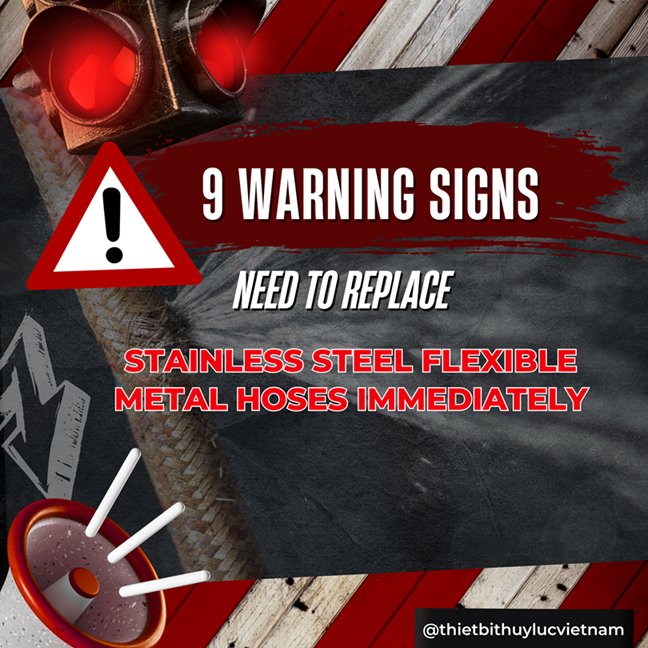
1. Frayed, Broken, or Worn Stainless Steel Braiding
The braided wire mesh typically bears the primary pressure load. If you observe the SUS304/SUS316 wires snapping, fraying, or wearing down due to friction with the floor or other equipment, the hose has lost its pressure-bearing capacity and could leak or burst at any moment.
2. Bulging, Looseness, or Ballooning of the Braid
When the flexible hose assembly is subjected to continuous pressure shocks (water hammer), the braided mesh can become loose, creating bulging points along the hose body. At this stage, the internal pressure is concentrated directly on the fragile corrugated inner core.
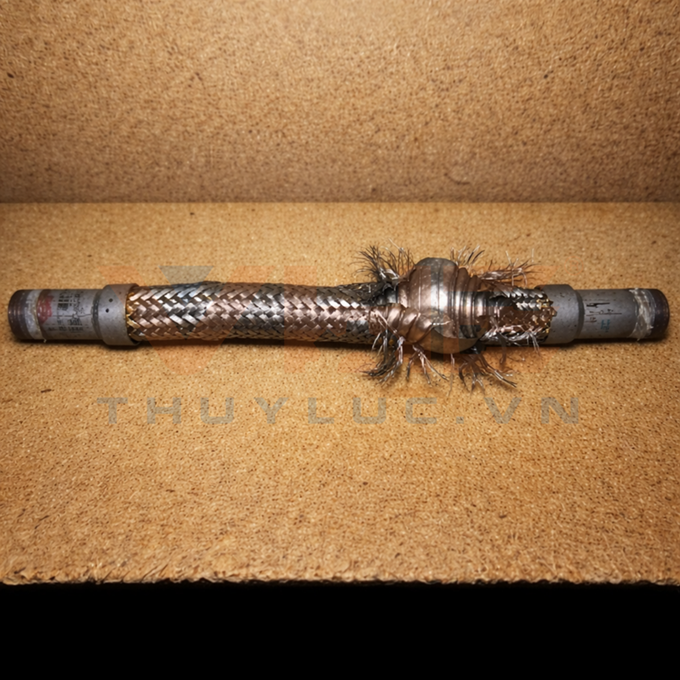
3. Core Deformation (Twisting, Kinking, Denting, or Crushing)
This occurs when engineers install the hose exceeding its minimum bend radius or when the hose is crushed by external forces. Dents and kinks narrow the flow cross-section, causing localized pressure spikes and creating fatal weak points on the corrugated convolutions.
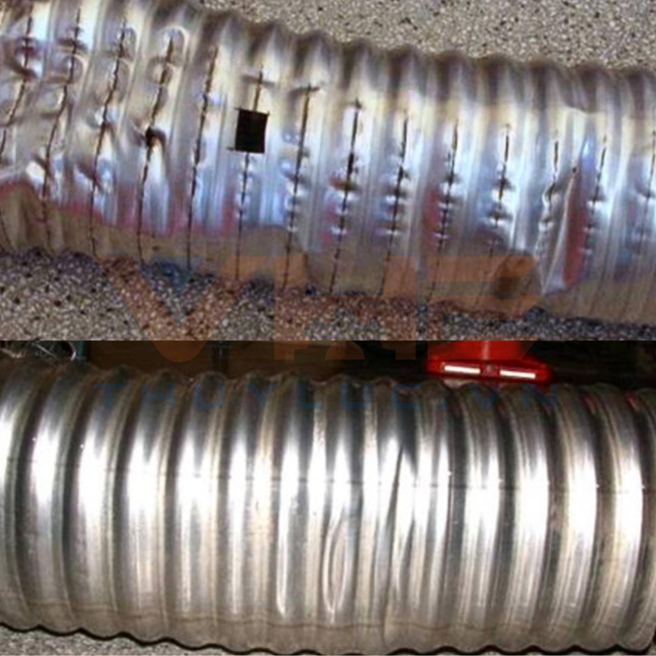
4. Cracked or Failed Welds at the Fittings
This is an extremely dangerous defect. The transition zones between the corrugated hose body and the end fittings (flanges, threads, clamps) endure significant shear stress. Signs of the hose pulling away from the fitting, micro-cracks, or severe pitting near poorly executed TIG welds indicate that the weld joint has failed.
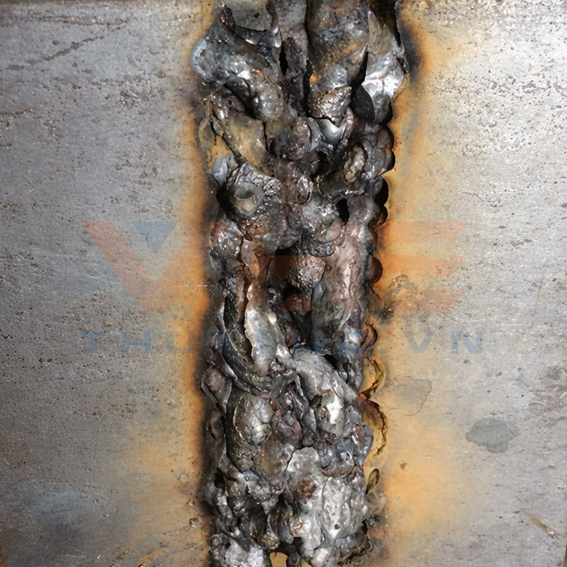
5. Media Leakage Marks on the Hose Body
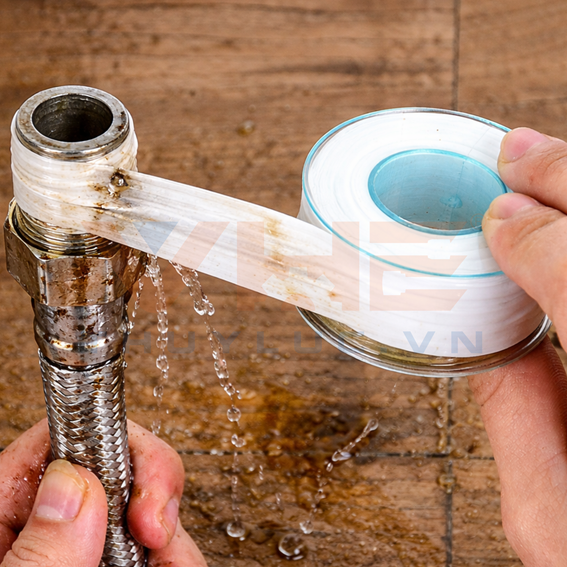
If you spot water droplets, moisture, oil streaks, or chemical residue clinging to or surrounding the stainless steel braid, the inner corrugated core has likely ruptured and is leaking. Do not attempt to patch it with tape; eventually, you will have to replace it anyway. Patching is just a waste of time and money.
6. Damaged Outer Protective Covers
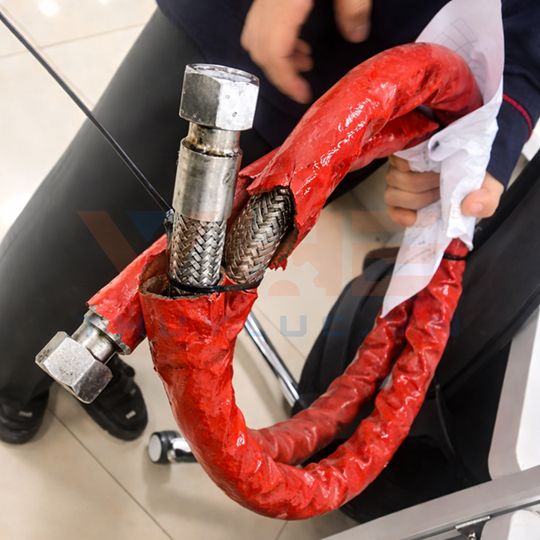
Certain specialized hoses feature additional fire-resistant sleeves, spring guards, or silicone jackets over the stainless mesh. When this outer layer is torn, loose, or displaced, corrosive agents can penetrate directly into the braided wire.
7. Severe Chemical Corrosion and Rust
Despite being made of stainless steel, if the wrong steel grade is used in a harsh chemical environment (e.g., using 304 instead of 316L for acids), the hose will still corrode. When the braided surface turns dull black, develops yellow rust, or exhibits pitting, it requires immediate replacement.
8. Loose Fitting Connections
Flange bolts becoming loose, threads getting stripped, or sanitary clamps losing their grip often happen due to prolonged, repetitive vibration. This leads to gasket separation and leakage at the connection points.
9. End of Life Cycle (Metal Fatigue)
Flexible metal hoses do not last forever. Even without obvious external signs of physical damage, if the hose has been operating continuously under severe vibration (intermittent, erratic movement) for years, "metal fatigue" has likely occurred within the corrugated core. Replace it according to the manufacturer's recommended lifespan.
At Vina Hydraulic Equipment Joint Stock Company (VHE), we do more than just supply materials—we provide "insurance" for your system through our superior fabrication capabilities:
In-depth Technical Consultation: The VHE team will analyze the root causes of your previous hose failure (whether due to pressure spikes, severe vibration, or incorrect corrugation profiles like U-Type/O-Type/Spiral-Type) to recommend the exact dimensions and specifications for your replacement hose.
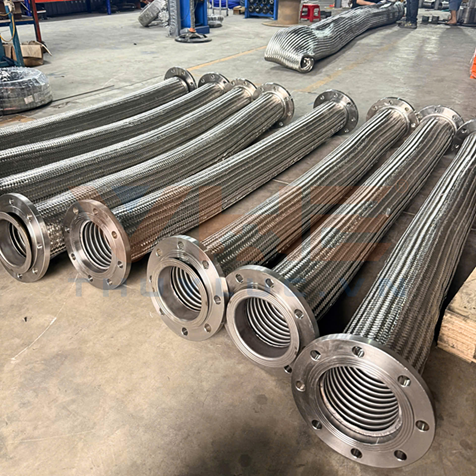
Precision Fabrication: Utilizing automated wire braiding machines and Argon-purged TIG welding technology, we guarantee a rock-solid braid attachment weld, completely eliminating the risk of "fitting blowouts" (hose separation).
Comprehensive Stock of Fittings: From BS PN16 flanges and JIC tapered threads to sanitary clamps and stainless steel Camlock quick couplings, we are ready to meet every connection standard your plant requires.
Don't compromise on safety! Contact VHE today for expert consultation on replacing your stainless steel flexible metal hoses to exact technical standards.
- Crimping & Consultation Hotline: 0903 067 588
- Email: [email protected]
- Hanoi Fabrication Workshop: Km28, National Route 6A, Dong De Industrial Park, Phu Nghia Commune, Hanoi City.