In industrial piping system design and installation, large-bore hose assemblies—such as 2-inch (DN50) hoses spanning tens of meters—always present a significant mechanical challenge. Looking solely at a technical drawing, many often ask: Why not use two uniform fixed flanges instead of combining one fixed end with one swivel end?
The answer isn't merely about convenience; it is about eliminating a critical issue inherent to all flexible hose systems: torsional stress.
1. The "nightmare" of bolt-hole misalignment in large-bore installations
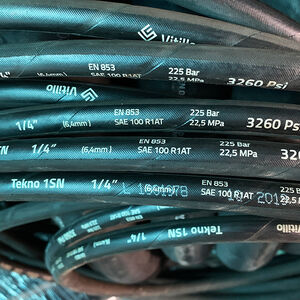
With smaller hose sizes (such as 1/4" or 3/8"), technicians can easily adjust the bend radius by hand to align the fittings. However, the reality is entirely different when dealing with a 12-meter, 2-inch 1SN hydraulic hose:
- Substantial weight and rigidity: The internal steel wire braid reinforcement combined with a 12-meter length makes the hose assembly extremely heavy and difficult to maneuver on-site.
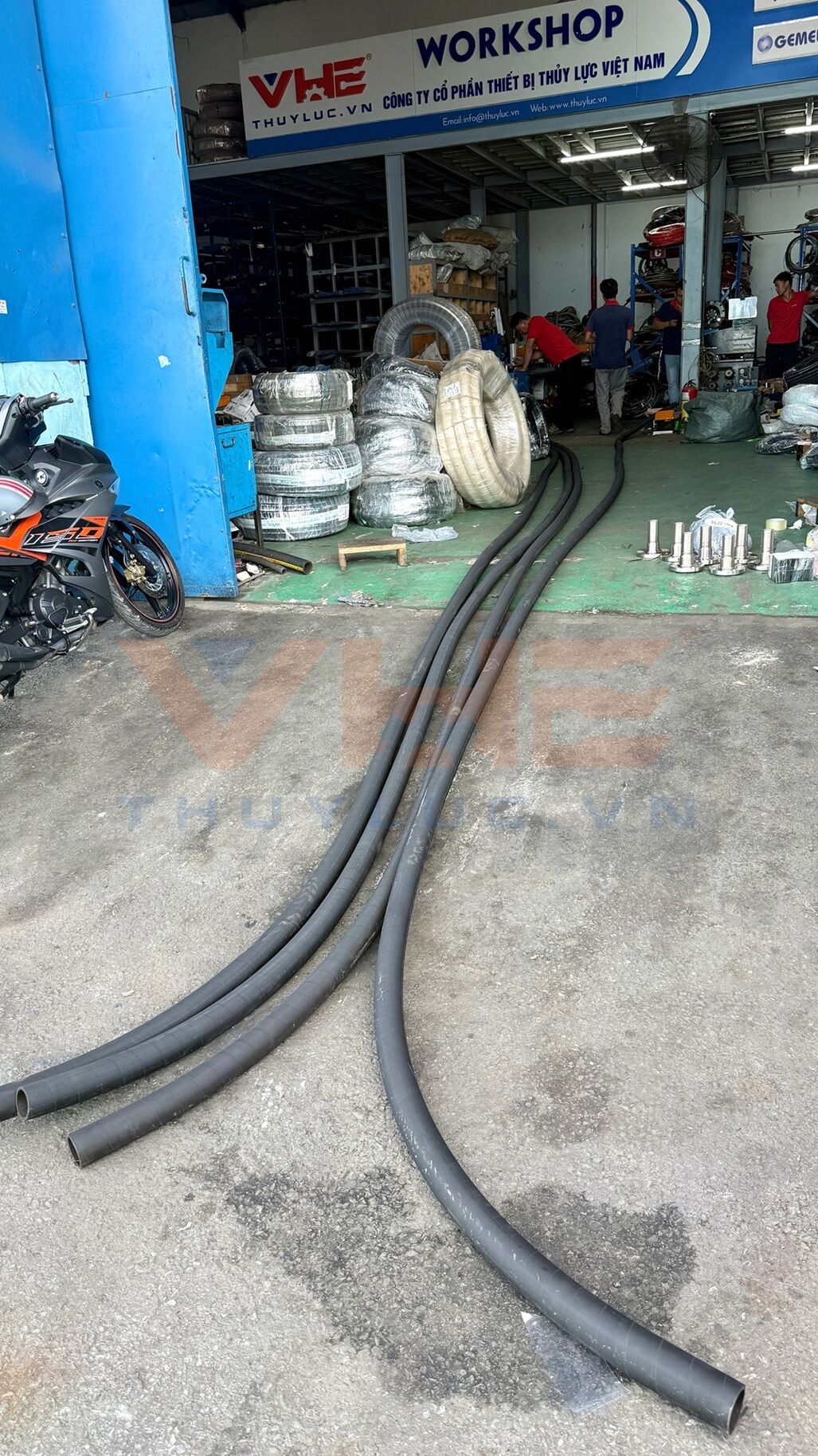
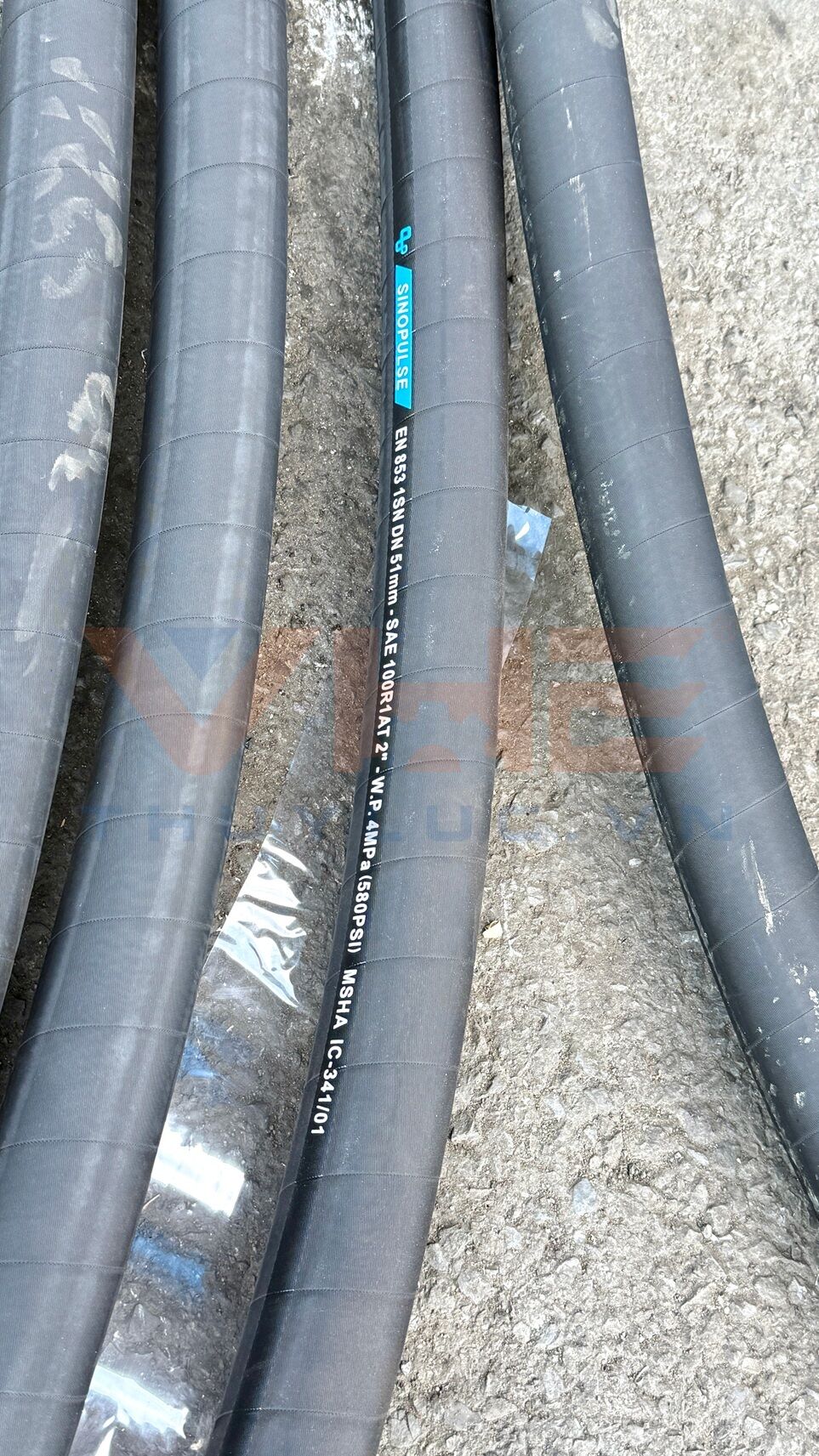
- Angular misalignment during tightening: Once the first flange is bolted firmly into the system, the second flange is almost guaranteed to experience bolt-hole misalignment—even if only by 5 to 10 degrees.
If both ends are fixed flanges, installers are forced to use mechanical leverage (such as pry bars or heavy wrenches) to twist the hose body into alignment. This is where serious system failures begin.
2. How torsional stress destroys hydraulic hoses
According to international technical standards for flexible hose installation (such as SAE J1273), twisting is a leading cause of premature hose failure:
- Even a slight twist of 7 degrees along a pressurized hose can reduce its service life by up to 90%.
- As system pressure rises, the internal wire braid layers of a 1SN hose naturally attempt to unwind and return to an untwisted state. This force concentrates directly on the crimp ferrule (collar), leading to fluid leaks, fitting blow-offs, or even sudden hose bursts.
3. The role of the "one fixed – one swivel" configuration
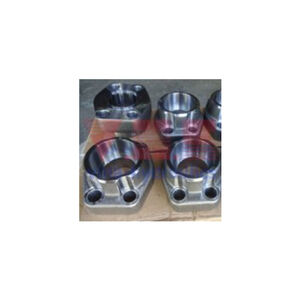
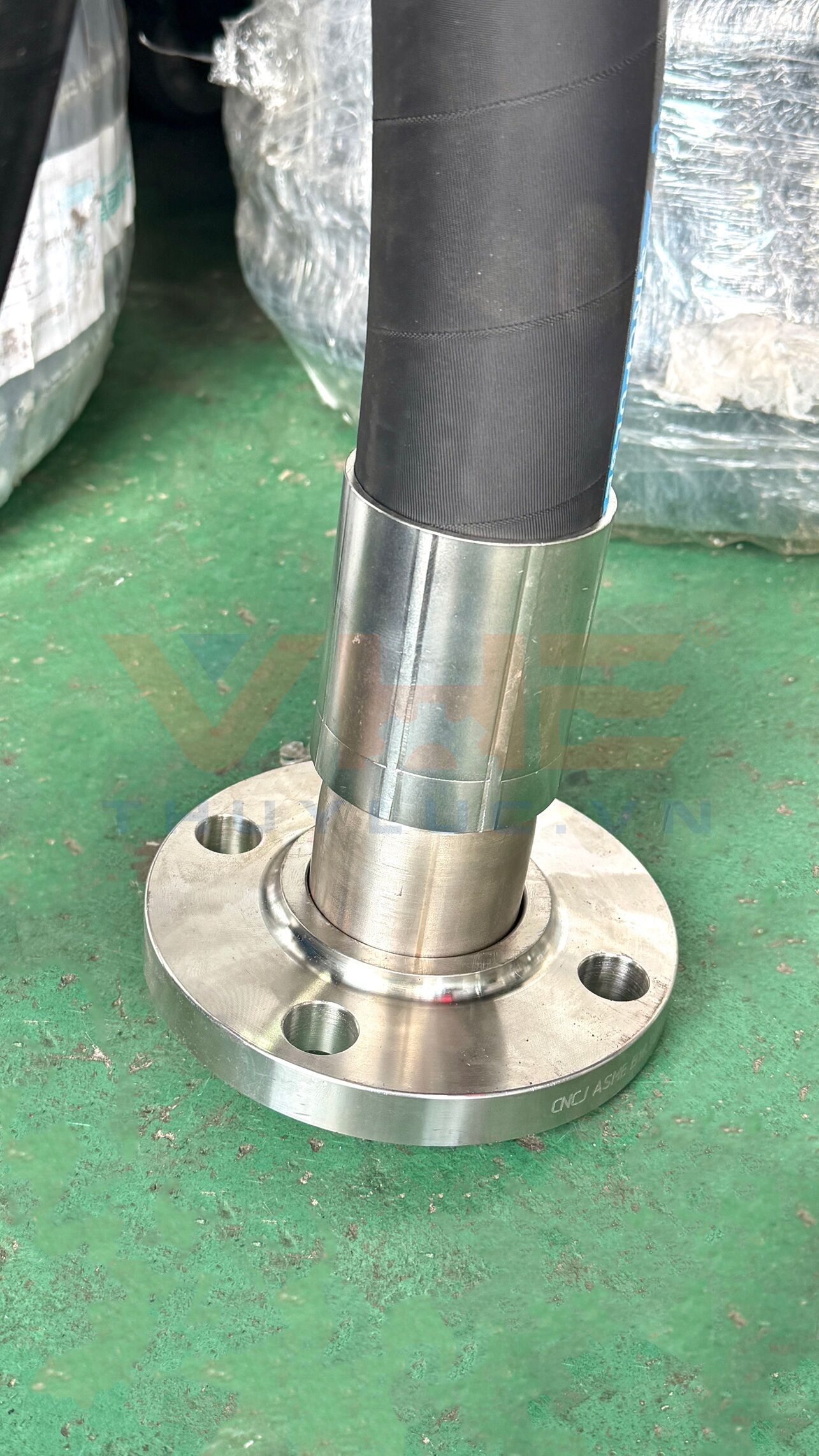
Incorporating a swivel flange on one end completely decouples the rotational movement of the flange from the rubber hose body:
- Precision installation: After securing the fixed end, technicians simply rotate the swivel flange at the opposite end to align seamlessly with the equipment's bolt holes—leaving the hose body in its natural, stress-free state.
- Reduced on-site labour: Significantly cuts down installation time, especially in elevated positions, tight spaces, or complex routing environments.
- Maximized system durability: With torsional stress eliminated, the hose assembly can perform at its full rated working pressure and withstand continuous pressure impulses.
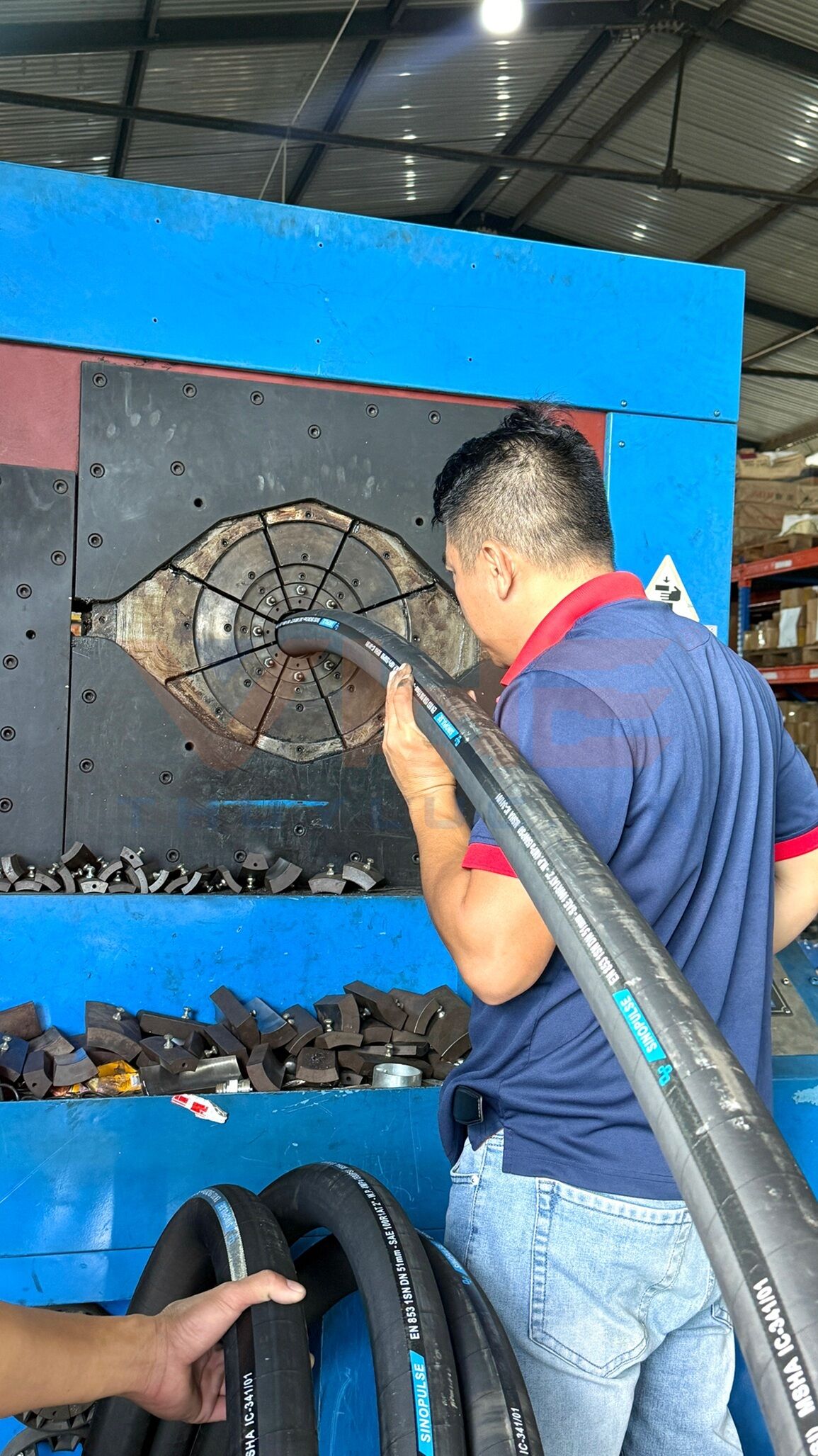
4. Material selection: Why SS304 stainless steel and ANSI 150?
Beyond the mechanical advantage of a swivel end, pairing a 2-inch 1SN hose with SS304 stainless steel ferrules and SS304 ANSI 150 flanges reflects a strategic approach to demanding operating environments:
- Superior corrosion resistance: In outdoor construction sites, coastal environments, mild chemical applications, or industrial fluid transfer systems, standard carbon steel fittings quickly rust, causing bolts to seize over time. SS304 stainless steel eliminates this risk, ensuring straightforward disassembly and maintenance down the line.
- Heavy-industry compatibility: The ANSI 150 (Class 150) flange standard is one of the most widely adopted specifications across factories, industrial piping networks, and the oil and gas sector. It guarantees a reliable seal and seamless compatibility with existing industrial valves and pumps.
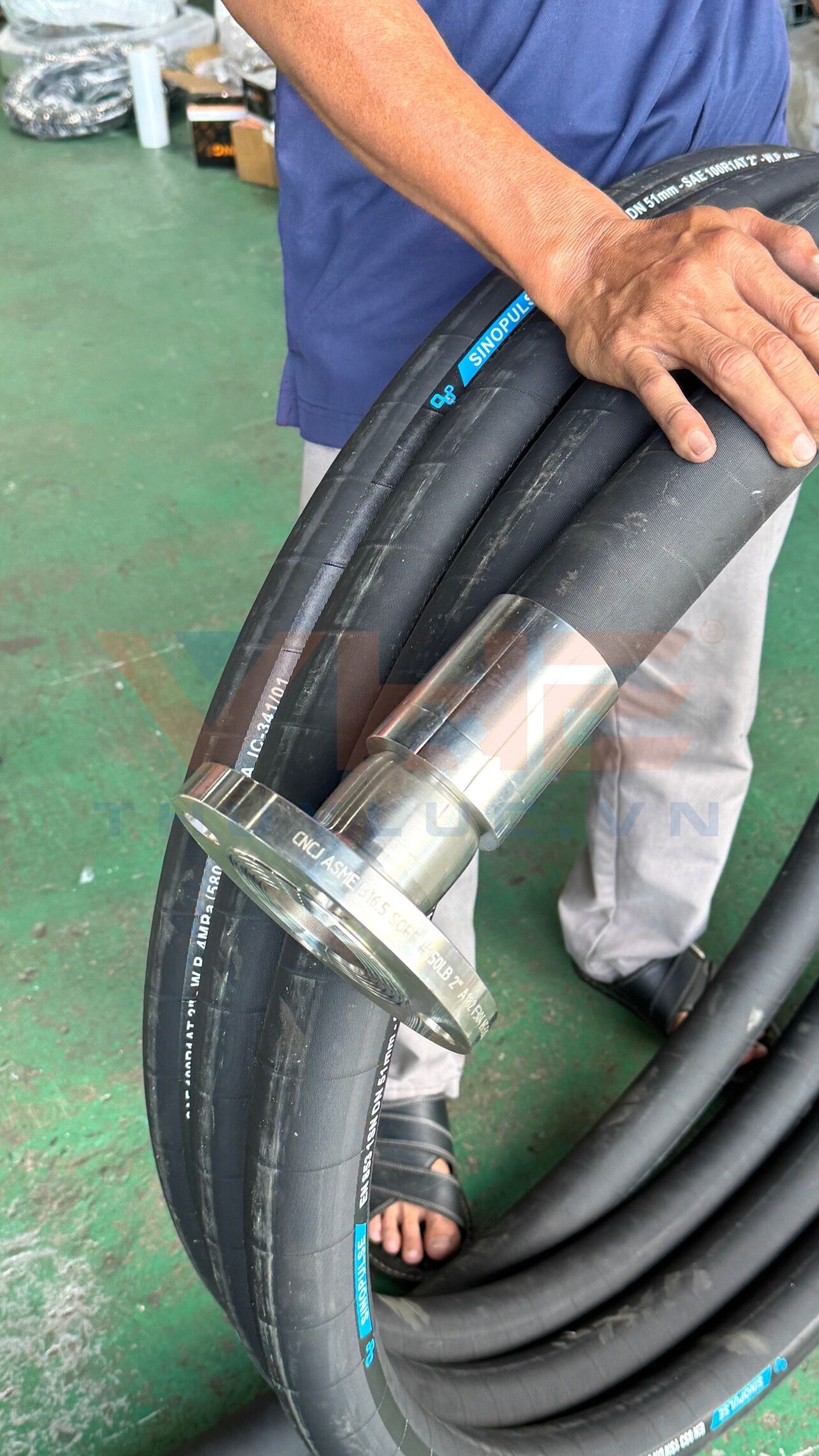
Understanding the engineering principles behind even the smallest components—like a swivel flange—not only empowers engineers to design systems right the first time, but also safeguards operational safety and reduces long-term maintenance costs across the entire project.
CONTACT VHE TO RECEIVE TECHNICAL CONSULTING!
- Consultation & Support: 0903 067 588
- Email: [email protected]