The metallurgical and steel manufacturing industry is often likened to giant furnaces, where machinery must operate continuously 24/7 under extreme pressure and incredibly harsh temperatures.
So, to keep a steel mill running smoothly, what standards must its hydraulic components meet?
1. Overview of Steel Mill Operations
The steel production process involves multiple complex stages: from blast furnaces, basic oxygen furnaces, and continuous casting, to hot and cold rolling mills. The common characteristics of these areas include:
Extreme radiant heat: Hydraulic fluids and transmission pipelines constantly face the risk of overheating, degradation, or fire hazards in the event of a leak.
High working pressure: Hydraulic cylinders used for lifting furnace roofs, controlling rolling mills, or operating billet pushing systems require immense pressing force and millimetre-level precision.
Harsh environments with slag dust and high humidity: These conditions can easily cause physical and chemical corrosion to exposed equipment. Therefore, hydraulic components used in steel mills cannot be standard commercial grades. They must be heavy-duty industrial equipment, highly resistant to heat and pressure, and engineered for maximum durability.
2. Standard Hydraulic Component Categories for Steel Production Lines
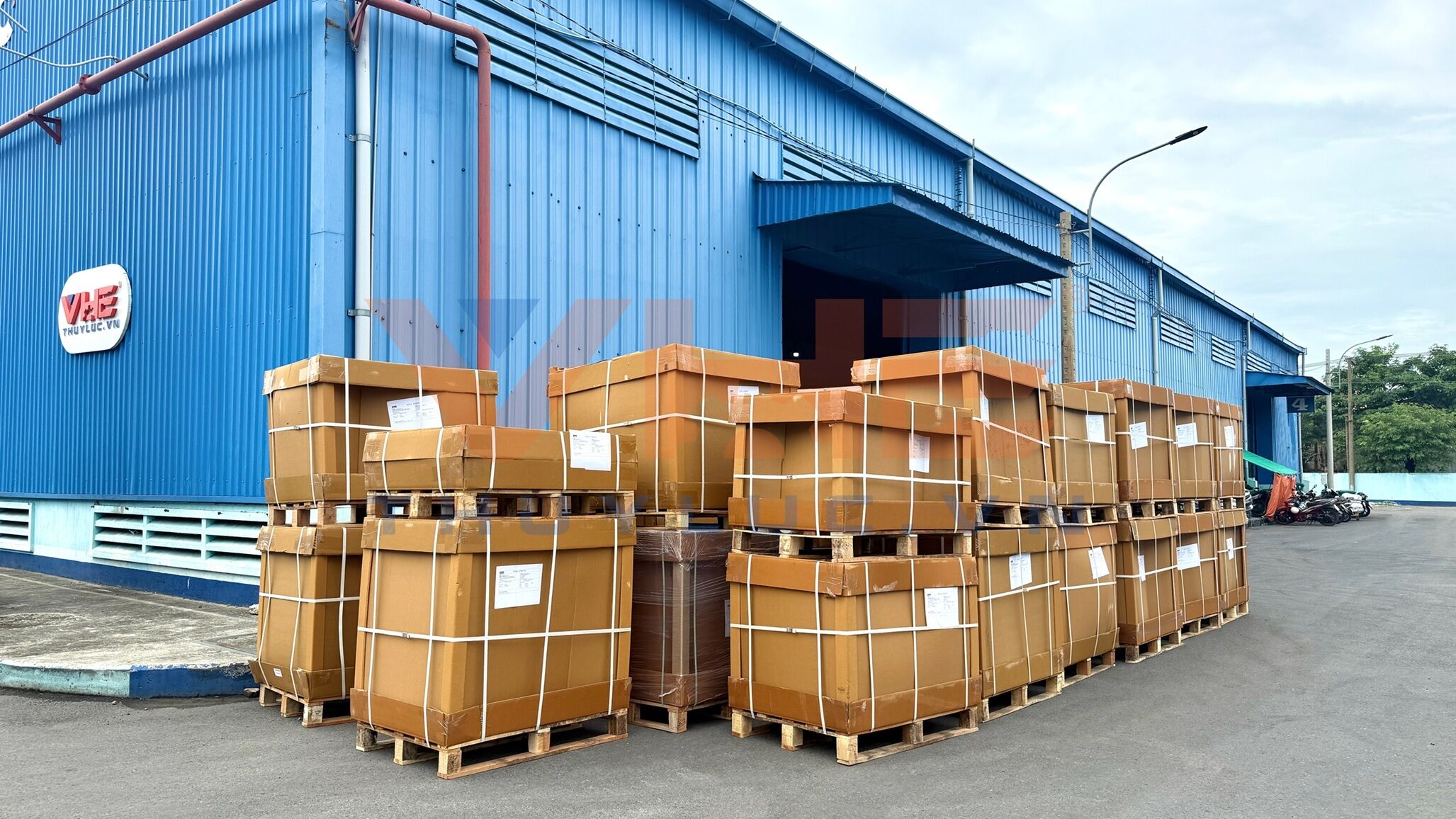
To withstand the harsh environments mentioned above, the hydraulic materials supplied to steel mills typically comprise highly specialized product lines. Typically, during maintenance or new installations, the mandatory material configuration must include:
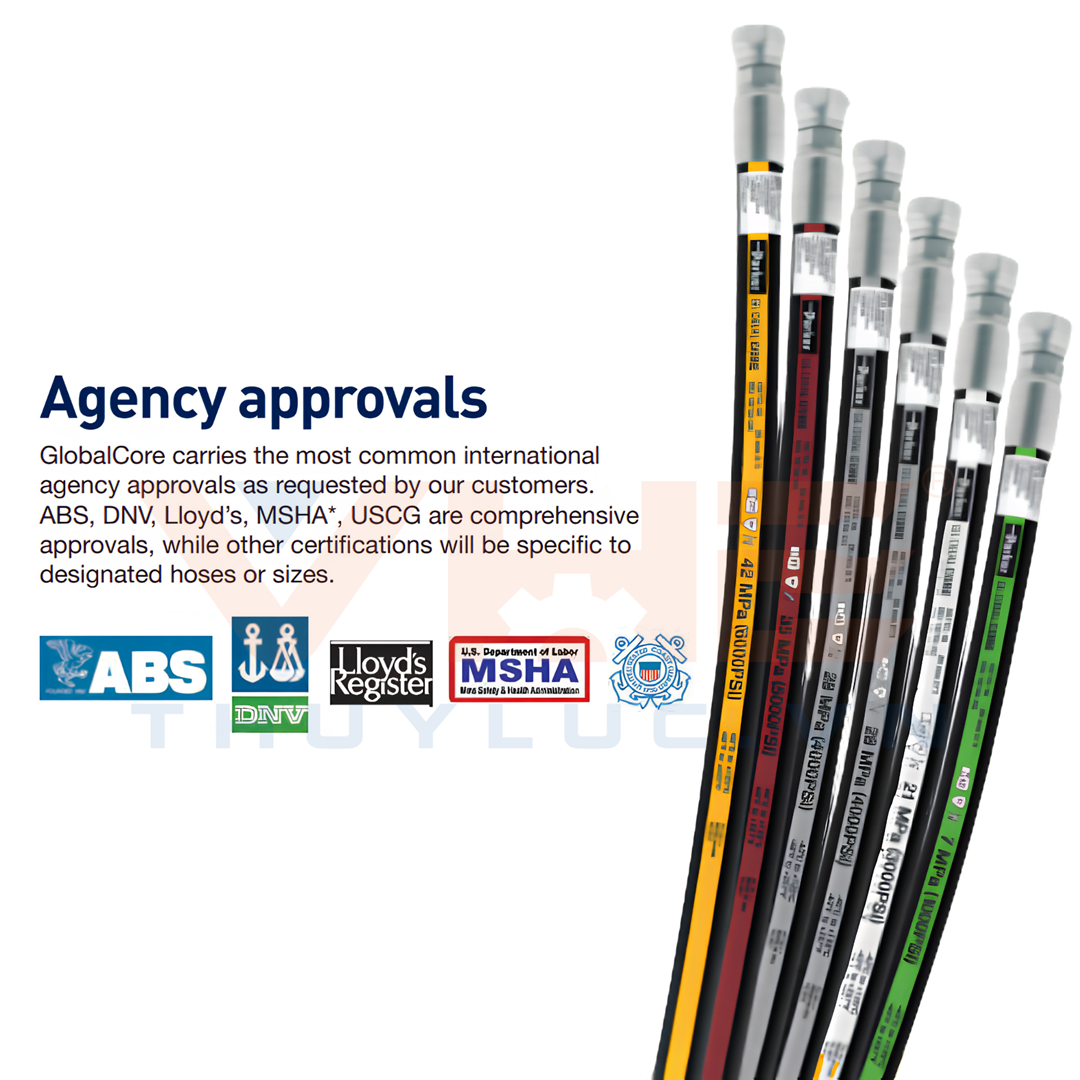
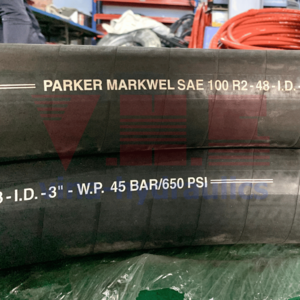
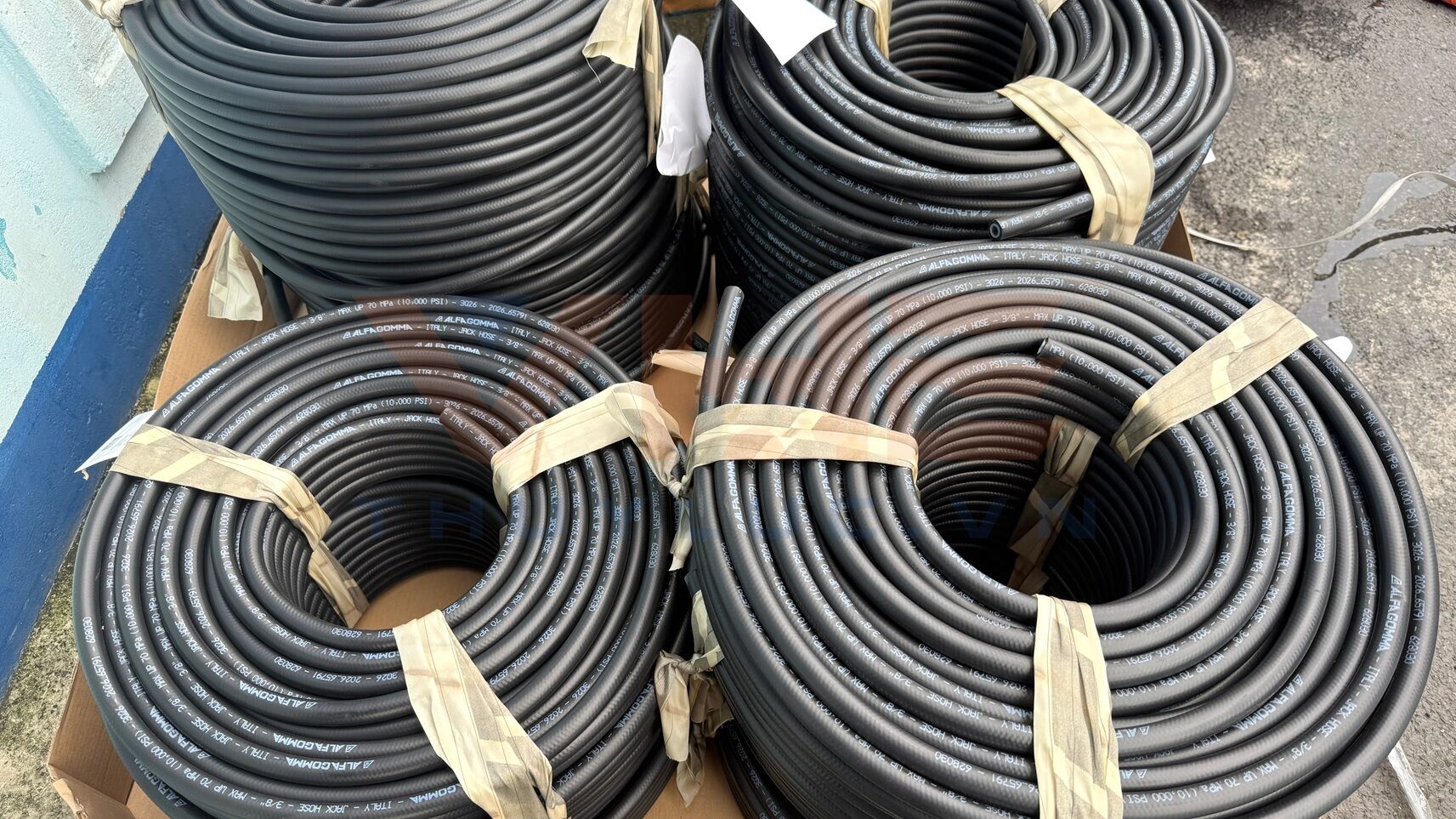
- Premium heat-resistant hydraulic hoses: Beyond standard steel wire braided rubber hoses (ranging from 1 to 4 wire layers depending on the pressure, from 210 bar up to 400 bar), the metallurgical environment requires these hoses to have an external stainless steel braided cover or utilize an additional PJ heat-resistant fire sleeve. This protective layer shields against splashing molten iron spatter and radiant heat from the furnaces.
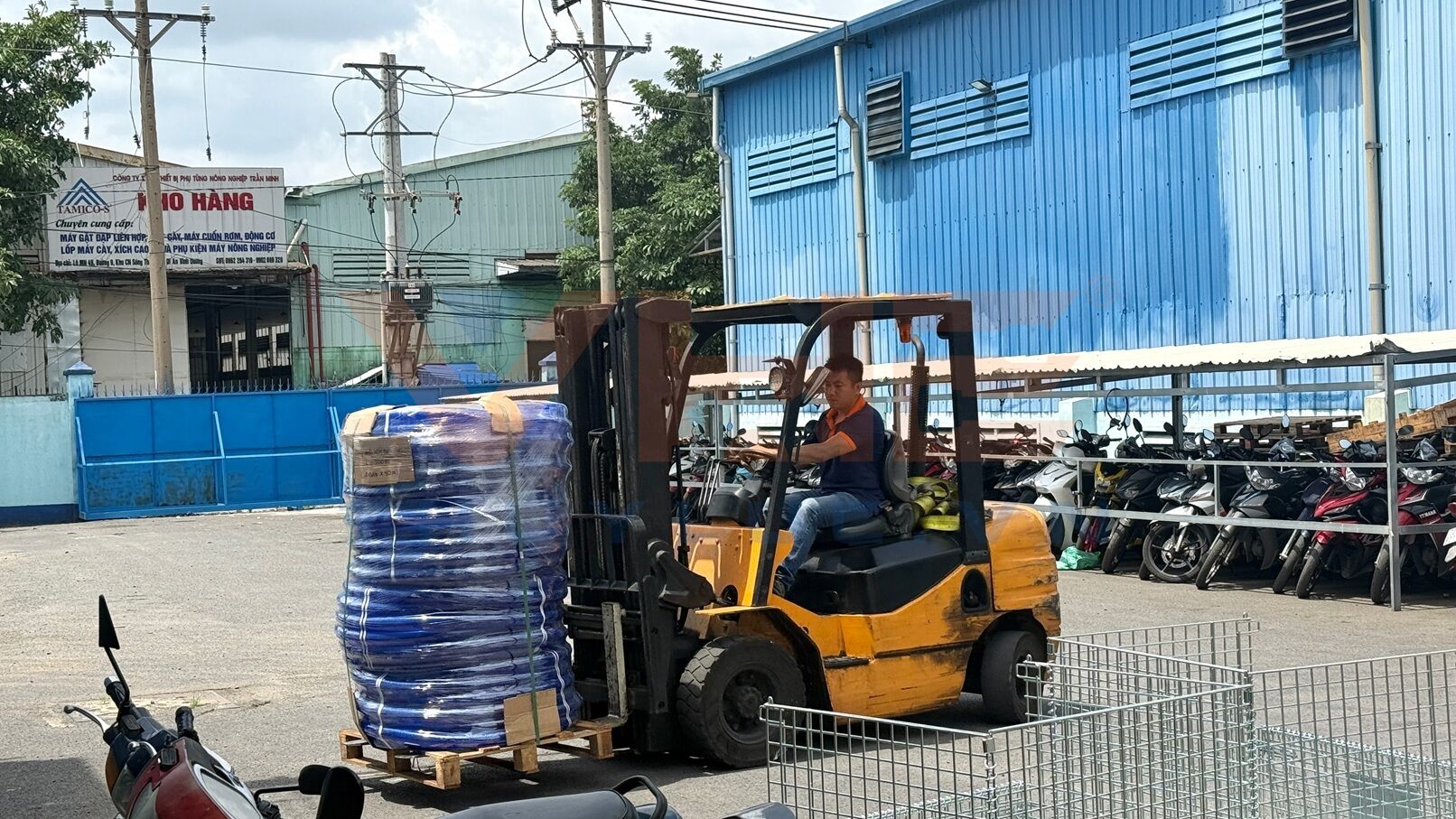
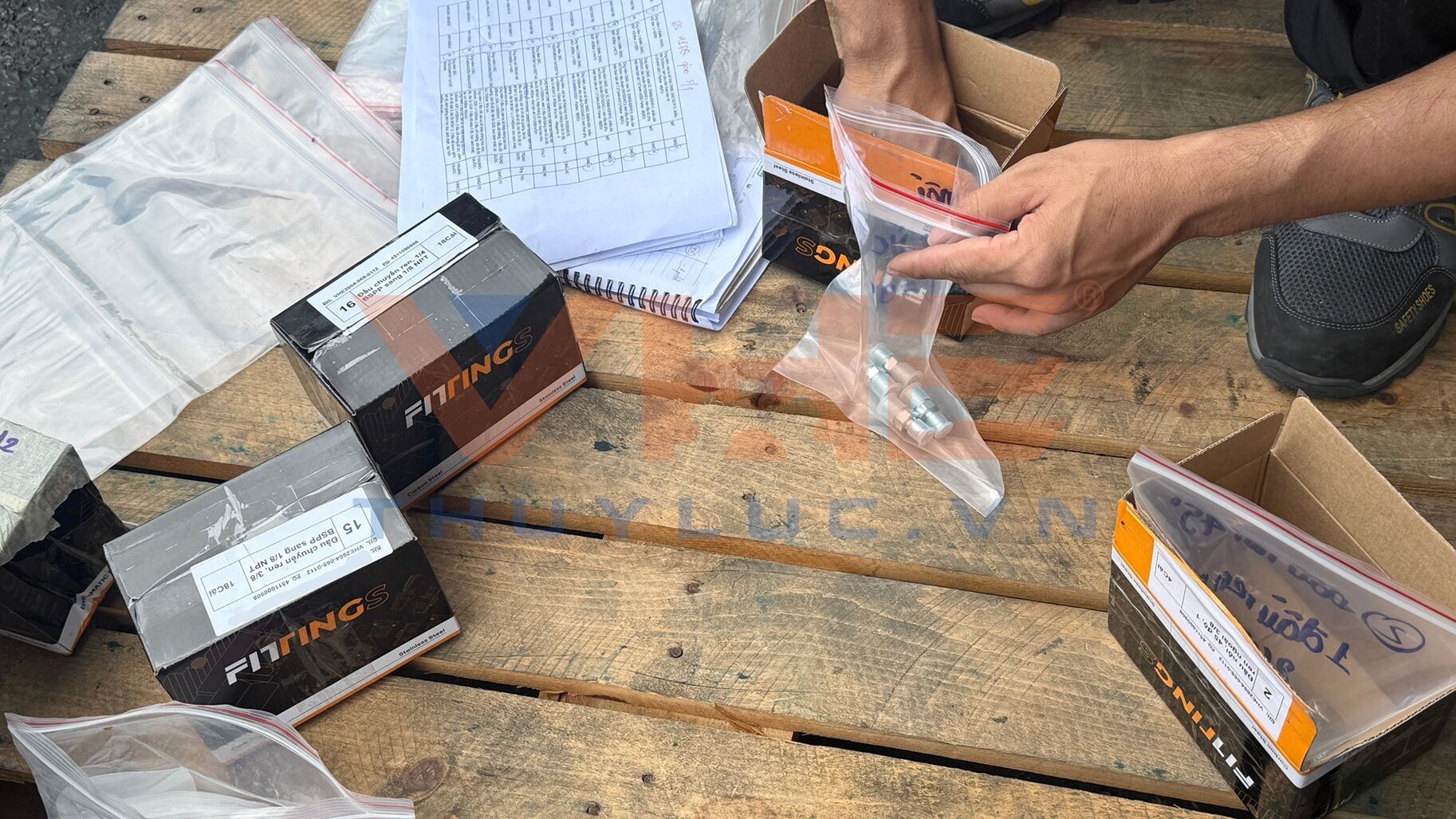
- Heavy-duty steel/stainless steel fittings and flanges: To connect these vital systems, a wide array of fittings (JIC, NPT, BSPP standards) and flanges (PN16, PN40) made of carbon steel or AISI 304 stainless steel are utilized to ensure absolute leak-tightness and resist vibration during casting operations.
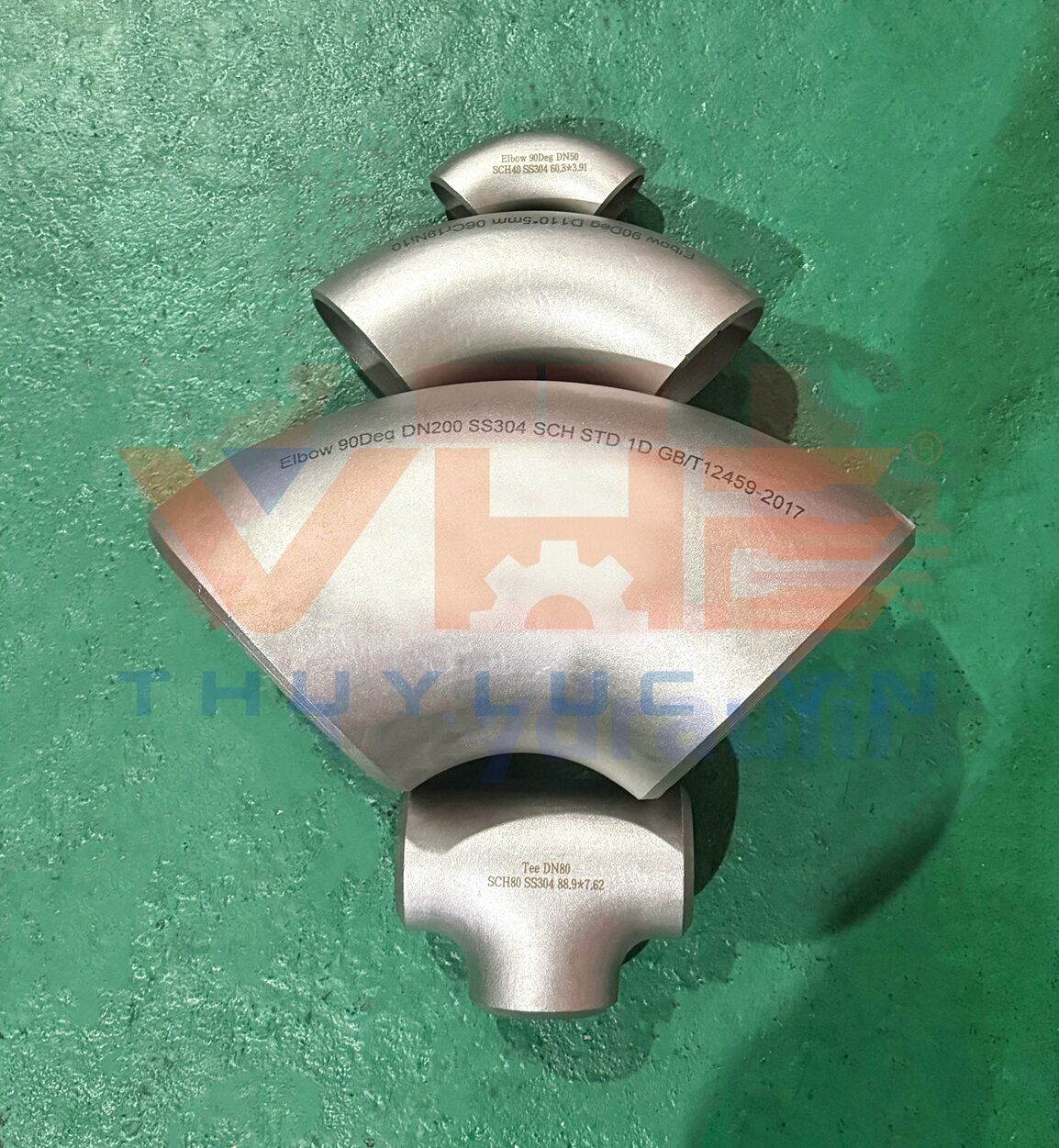
- Rigid pipe fitting systems: Components such as steel elbows (45/90 degrees) and cast steel reducing tees (SCH40) are indispensable for routing pipelines through complex forming and rolling machinery.
3. Supply Capabilities of Vietnam Hydraulic Equipment Joint Stock Company (VHE)
Deeply understanding the specific characteristics and rigorous requirements of the metallurgical industry, Vietnam Hydraulic Equipment Joint Stock Company (VHE) is proud to be a strategic partner, specializing in providing comprehensive hydraulic material solutions for major steel mills.
We are not just an equipment trading entity; we also deliver practical added value to our clients' project schedules:
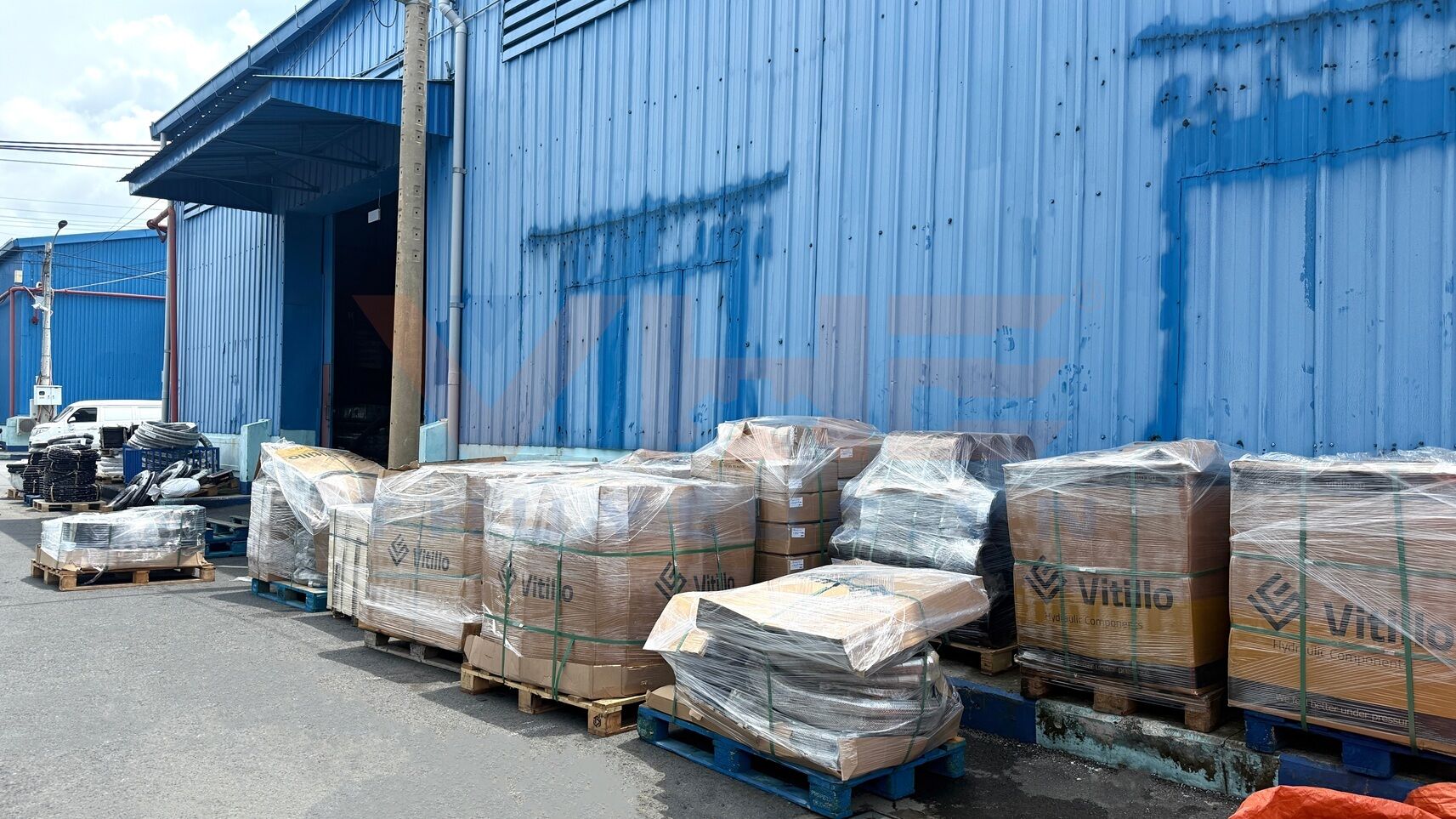
- Comprehensive range of specialized products: Ready to supply large volumes of steel flanges, fittings, stainless steel braided hoses, heat-resistant sleeves, and weld fittings (elbows, tees, sockets) meeting exact technical specifications and international steel/stainless steel material standards.
- Professional crimping and assembly services: Equipped with a modern fleet of hydraulic crimping machines, VHE provides custom hose assembly services according to required dimensions and thread standards, ensuring absolute pressure resistance before delivery to the mill.
- Technical support and on-site delivery: Our team of well-trained technicians can perform material takeoffs based on each client's specific system layout. Our nationwide delivery capabilities span from South to North to promptly meet our partners' urgent material supply needs.
Does your mill need to upgrade or maintain its hydraulic system? Contact VHE's engineering team today for highly optimized material configuration consulting!
- Consulting & Inquiries: 0903 067 588
- Support Email: [email protected]